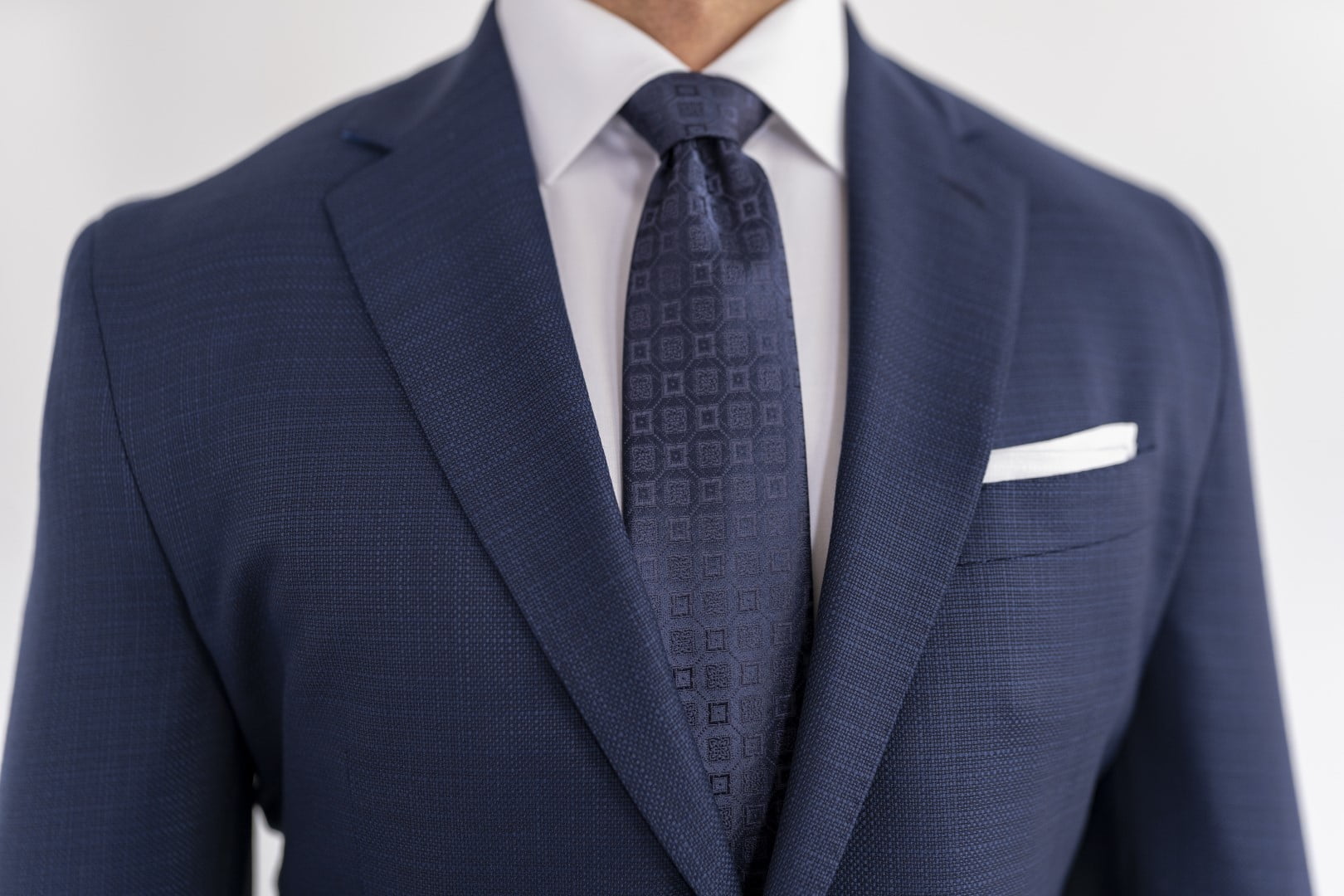
Why Most Men Buy the Wrong Suit Size
If you’ve ever tried on a suit and thought:
- the shoulders feel tight
- the waist is too big
- the pants pull through the thighs
- the jacket feels good standing still but uncomfortable the moment you move
You’re not alone.
One of the biggest misconceptions we see at Brascia’s Tailors is men believing that their body is the reason suits do not fit properly.
In reality, most modern suits are designed around what a particular manufacturer believes their target customer looks like.
Some brands are cut slimmer. Some are cut fuller. Some are designed around athletic builds, while others are built for more traditional proportions.
The truth is that no two men are built exactly alike.
That is why it is actually quite rare for a man to walk into a menswear store in Vancouver, try on a suit, and require absolutely no alterations.
After fitting men for almost 50 years, we can tell you that most suits require some level of adjustment. That is completely normal.
Unfortunately, many men leave a fitting appointment thinking:
That simply is not true.
Most manufacturers offer different fits to accommodate different body types and preferences. The challenge is finding the fit that works best for your proportions and then making the necessary alterations to refine it.
A properly fitted suit should make you feel:
- confident
- comfortable
- polished
- successful
Not restricted.
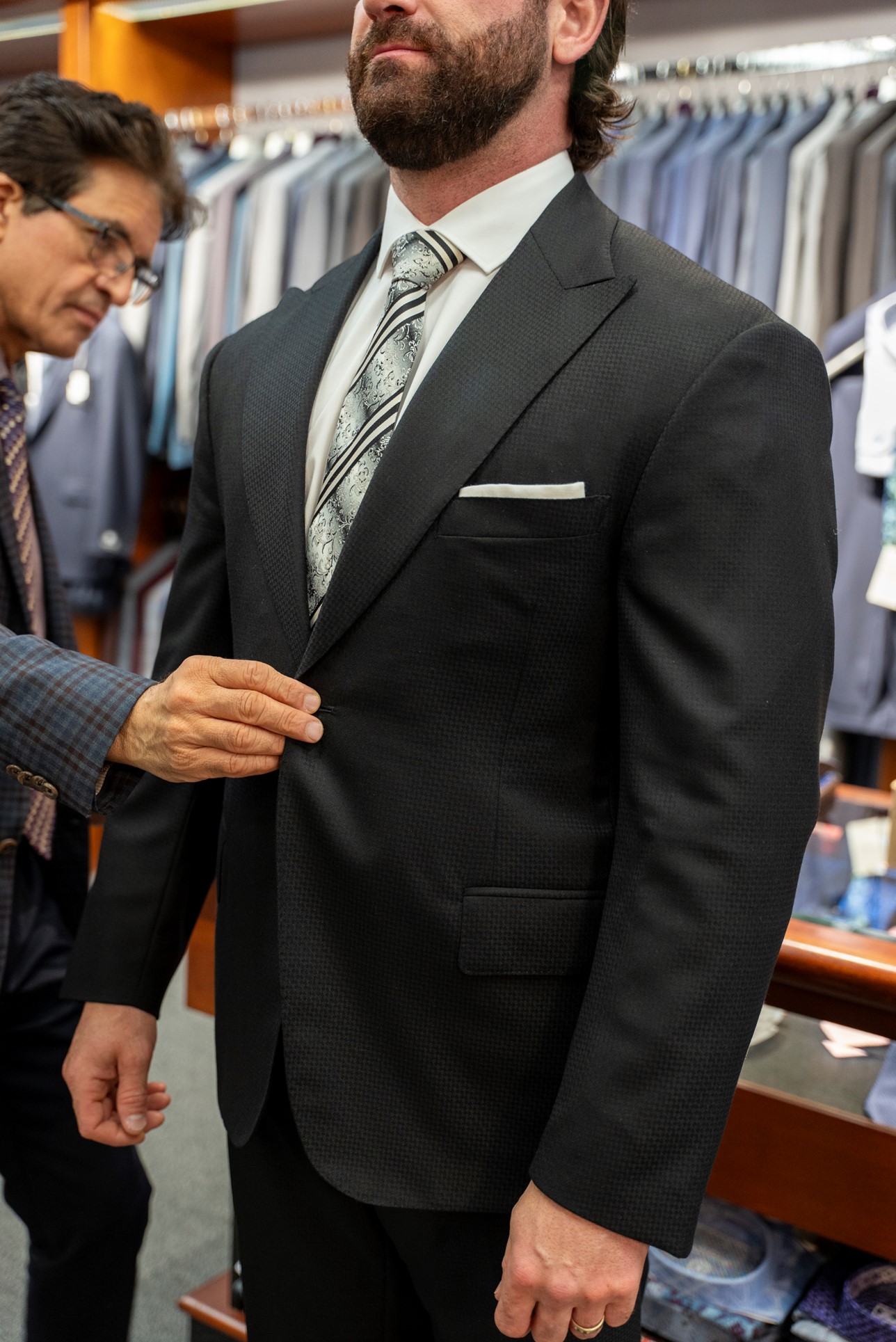
The Real Job of a Suit Consultant
Many men think the goal of a suit fitting is simply finding the right size.
In reality, the job of a good suit consultant is to find a garment that accommodates both your body type and the type of fit you are trying to achieve.
This is done through:
- trying different fits
- assessing proportions
- discussing preferences
- making alterations where necessary
For years, the menswear industry confused tight clothing with proper tailoring.
Many men were led to believe that:
- slimmer is better
- tighter is more fashionable
- tighter looks more expensive
The result was a generation of men buying garments that were simply too small.
Now, there is nothing wrong with a fitted suit if that is the look you prefer.
Likewise, there is nothing wrong with a fuller fitting suit if that makes you feel your best.
The goal is not to force every man into the same silhouette.
A good consultant should be evaluating:
- shoulder fit
- chest drape
- jacket length
- trouser fit
- movement
- alteration possibilities
All of these factors work together to determine how a suit will sit on your body.
Most Men Focus on the Wrong Areas
One of the biggest mistakes we see is men trying to solve one fit issue while creating three new ones.
They:
- size up to fit the shoulders
- size down to slim the waist
- force themselves into a slim fit jacket that is too restrictive
This is where we determine how the jacket sits on the body.
If the shoulders and chest are wrong, chances are the rest of the jacket will be wrong as well.
Too tight and mobility becomes restricted.
Too loose and the garment loses shape and proportion.
The same principles apply to trousers.
When assessing fit, we look closely at:
- the seat
- upper thighs
- waist
If there is significant pulling through these areas, the garment may simply be too small.
While some alterations can help, many manufacturers do not leave enough seam allowance to dramatically let garments out.
On the other hand, it is generally much easier to take a garment in than it is to let one out.

Too Small
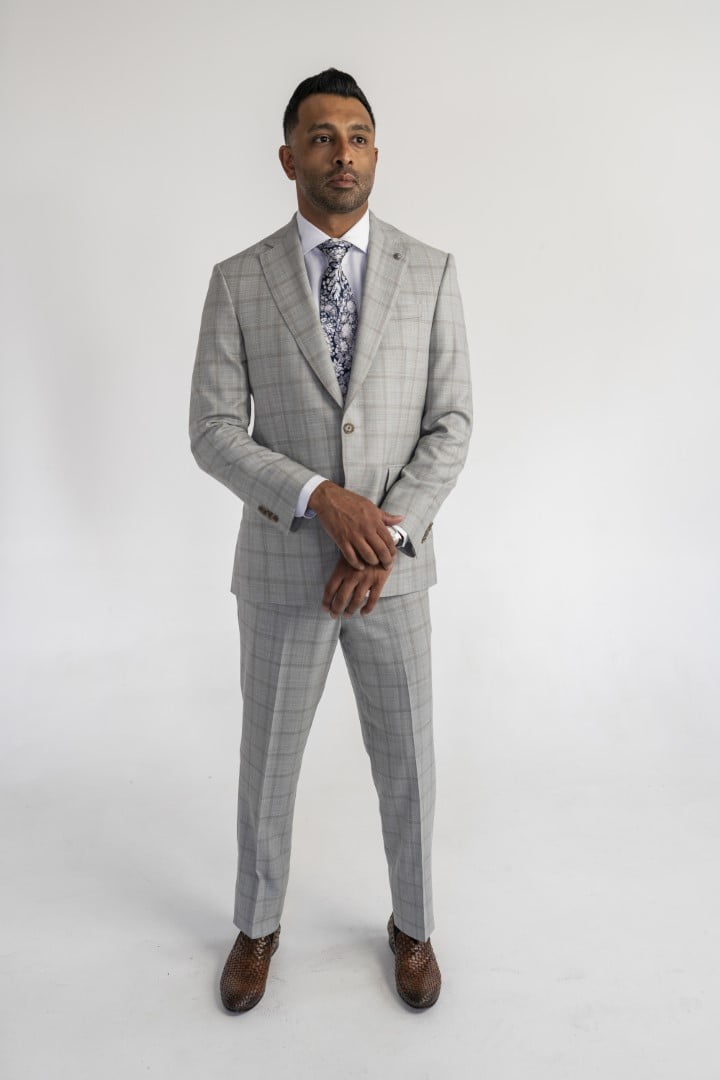
Proper Fit
Not Every Man Fits Standard Suit Proportions
Most off-the-rack suits are built around average proportions.
In the menswear industry, we refer to this as the “drop.”
The drop is the difference between the chest size and waist size.
For example: a 42 chest is commonly paired with a 36 waist. That is considered a drop 6.
Many brands are built around this standard.
Some slimmer European and Italian garments may even be cut to a larger drop.
The challenge is that many men do not fit those proportions.
Athletic men often have:
- broader shoulders
- larger chests
- smaller waists
Other men may have completely different proportions altogether.
Understanding your drop can save a tremendous amount of time when shopping for suits.
It can also help determine whether:
- alterations will solve the issue
- suit separates are the best option
- made-to-measure is the better route
In some cases, a separates program can solve the problem immediately by allowing different jacket and trouser sizes in the same suit.
In other cases, made-to-measure or bespoke may be the better investment.
Vancouver Men Are Changing
One thing we have noticed over the years is that the average male physique has changed.
Particularly here in Vancouver.
Between:
- gym culture
- hockey
- cycling
- running
- outdoor recreation
We are seeing more athletic builds than we did decades ago.
That is one reason we have adjusted the fits we carry in our store.
We often stock garments that provide more room through key areas and then tailor them to the individual.
That approach works extremely well for many men.
Of course, not every customer needs the same fit.
A slimmer man may require a completely different starting point.
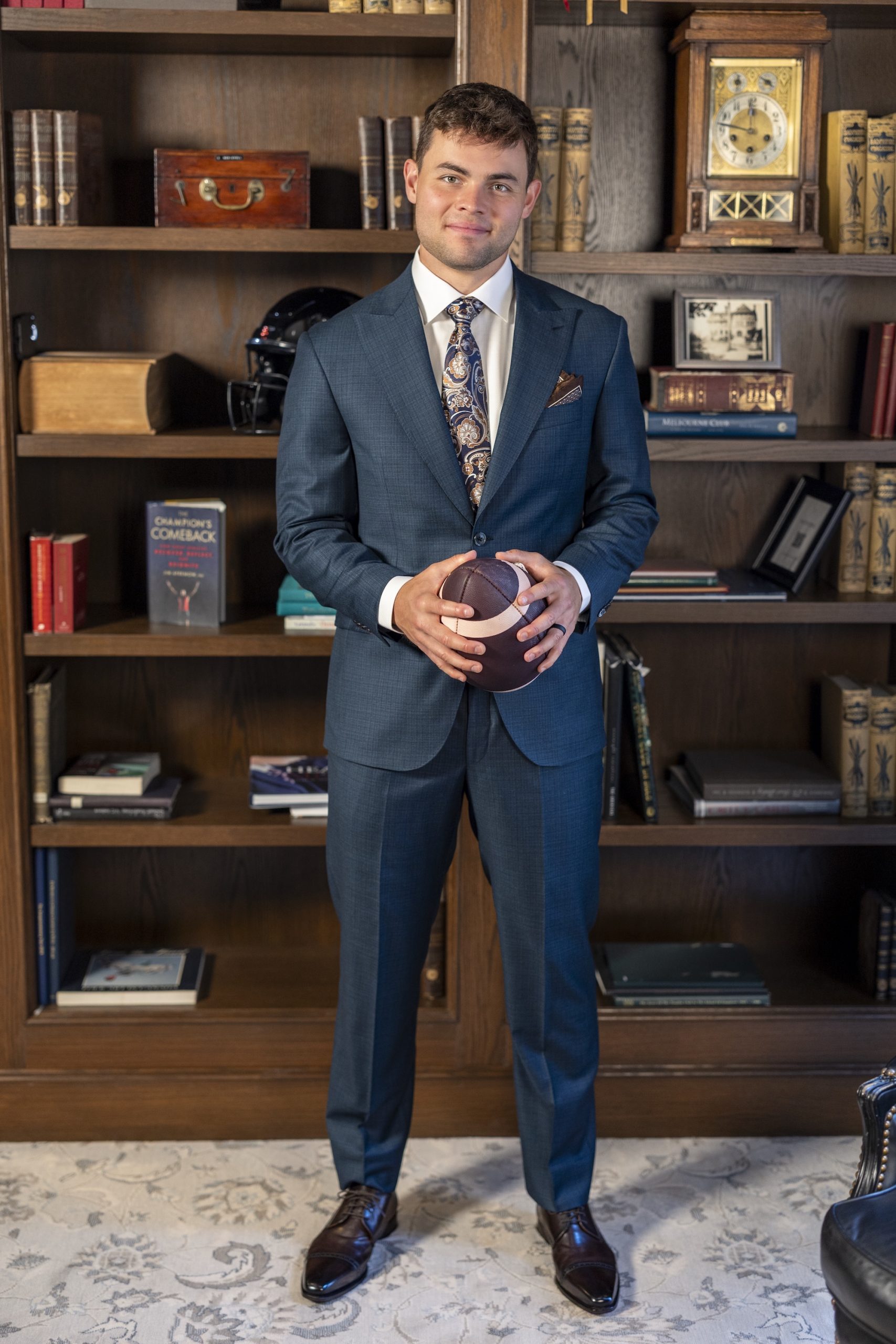
What If Nothing Fits?
Even after understanding fit, proportions, and alterations, some men simply do not fit well into off-the-rack clothing.
And that is perfectly normal.
If you have:
- a larger chest and smaller waist
- broad shoulders
- athletic thighs
- a larger midsection
- unique proportions
There comes a point where alterations alone may not be the most effective solution.
This is where made-to-measure and bespoke tailoring become valuable.
Unlike ready-made clothing, these garments are built around your measurements rather than requiring your body to fit a predetermined size.
While made-to-measure and bespoke garments involve a higher investment and longer lead times, they can save significant frustration for men who consistently struggle with fit.
Once your measurements and fit preferences have been established, future garments become much easier to reproduce.
At that point, the process becomes less about trying to make a garment fit and more about selecting:
- fabrics
- colours
- styling details
- seasonal additions to your wardrobe
For many men, this can be a game changer.
How should a suit fit?
A suit should fit comfortably through the shoulders and chest, drape cleanly through the body, and allow natural movement without pulling or excess fabric.
Why do most men buy the wrong suit size?
Many men focus on one problem area, such as the shoulders or waist, and sacrifice the overall fit of the garment. Others are influenced by fashion trends rather than proper proportions.
Can a tailor fix a suit that is too small?
Sometimes. However, it depends on the amount of seam allowance available. In most cases, it is easier to take a garment in than let it out.
What is a suit drop?
A suit drop refers to the difference between the chest size and waist size. Most off-the-rack suits are built to a drop 6 proportion.
When should I consider made-to-measure?
If you consistently struggle with fit, have unique proportions, or require extensive alterations, made-to-measure may be a better long-term solution.
Final Thoughts on Finding the Right Suit Size in Vancouver
Most men think they are the problem when a suit fits badly.
The reality is that most fit problems begin long before alterations.
The goal of a proper suit is not tightness.
It is balance.
It is structure.
It is comfort.
It is proportion.
And above all, it is confidence.
The right suit should make you feel comfortable in your own skin. Not restricted by it.
If you are looking for custom suits, made-to-measure clothing, alterations, or menswear in Vancouver, our team at Brascia’s Tailors can help you find the right fit for your body and your lifestyle.